Introduction
In modern power generation, the reliability of turbine systems is directly linked to the precision and stability of their control mechanisms. Even the most advanced turbines depend on the efficiency of their control systems to operate safely and efficiently. General Electric’s Mark IV control system, part of the renowned Speedtronic series, has long been a benchmark for performance and dependability. Among its essential components, the Auxiliary Regulator Board plays a crucial role in ensuring that turbines maintain stable operation under all conditions.
Understanding the GE Mark IV Control System
GE’s Speedtronic Mark IV system was developed to provide advanced control, protection, and monitoring functions for gas and steam turbines. It was designed with the principles of redundancy, fault tolerance, and modular functionality, ensuring continuous turbine operation even if individual components fail.
Within this architecture, multiple circuit boards work in harmony to manage processes such as fuel control, temperature regulation, and load distribution. The Auxiliary Regulator Board supports these functions by maintaining electrical and control stability throughout the system.
The Role of the Auxiliary Regulator Board
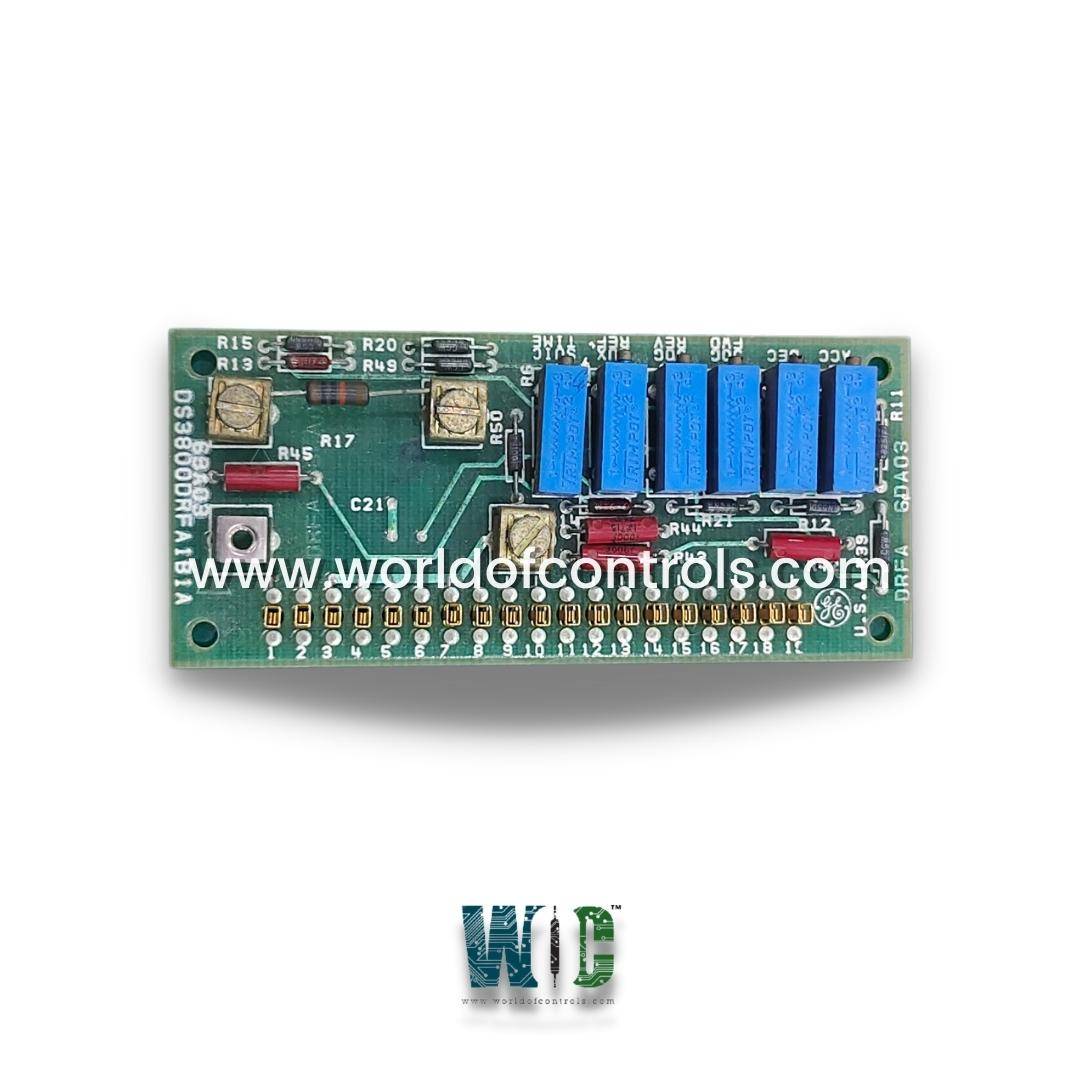
The Auxiliary Regulator Board is responsible for maintaining consistent voltage and current levels within the Mark IV system. By stabilizing the power supplied to various control modules, it ensures that delicate electronic circuits operate accurately and reliably.
In addition to voltage regulation, the board assists in managing auxiliary control functions such as fuel valve adjustments, startup sequencing, and load balancing. These tasks may seem secondary, but they are essential for maintaining optimal turbine performance and preventing operational disturbances.
When functioning correctly, the Auxiliary Regulator Board helps maintain the delicate balance between turbine speed, temperature, and fuel flow, resulting in smoother operations and extended component life.
Technical Importance and Design Features
The design of the Auxiliary Regulator Board reflects GE’s engineering emphasis on reliability and safety. Key features typically include:
- Voltage regulation circuits that ensure stable power supply to the control modules.
- Signal conditioning components that refine and filter input signals for accurate system response.
- Protective features such as short-circuit isolation and fault detection.
- High-quality materials and connectors to withstand industrial environments and continuous operation.
These design characteristics minimize electrical noise and fluctuations, which are critical for maintaining accurate readings from sensors and executing precise control commands.
Contribution to Turbine Reliability
A stable and well-regulated control system translates directly into higher turbine reliability. By ensuring a consistent power supply and dependable signal communication, the Auxiliary Regulator Board reduces the risk of unexpected trips, erratic behavior, or data inaccuracies within the control network.
The benefits include:
- Reduced unplanned downtime, as stable control reduces the likelihood of faults or shutdowns.
- Improved performance consistency, especially during load transitions and system startups.
- Enhanced protection for sensitive components, due to controlled voltage and current levels.
- Lower maintenance costs, since reliable electronics reduce wear and tear on other parts of the control system.
Ultimately, this board serves as a backbone of stability within the Mark IV system, ensuring that turbines can operate safely and efficiently even under fluctuating operational demands.
Maintenance and Replacement Considerations
Regular inspection and preventive maintenance of control boards are vital for long-term reliability. Environmental conditions such as heat, dust, and vibration can gradually degrade electronic components over time.
When replacement becomes necessary, it is important to use authentic and properly tested GE Mark IV components. Ensuring compatibility and proper calibration during installation helps maintain the system’s overall reliability and prevents operational discrepancies. Working with suppliers and technicians who specialize in GE turbine control systems ensures that any maintenance or replacement activity aligns with OEM standards.
Conclusion
The GE Mark IV Auxiliary Regulator Board may be just one component within a complex turbine control system, but its role in maintaining power stability and signal accuracy makes it indispensable. By ensuring consistent electrical regulation and supporting essential auxiliary functions, this board enhances both the reliability and performance of turbine operations.
As the global energy sector continues to demand greater efficiency and uptime, maintaining robust control systems like the GE Mark IV—and the vital Auxiliary Regulator Board within it—remains a key factor in achieving long-term operational excellence.