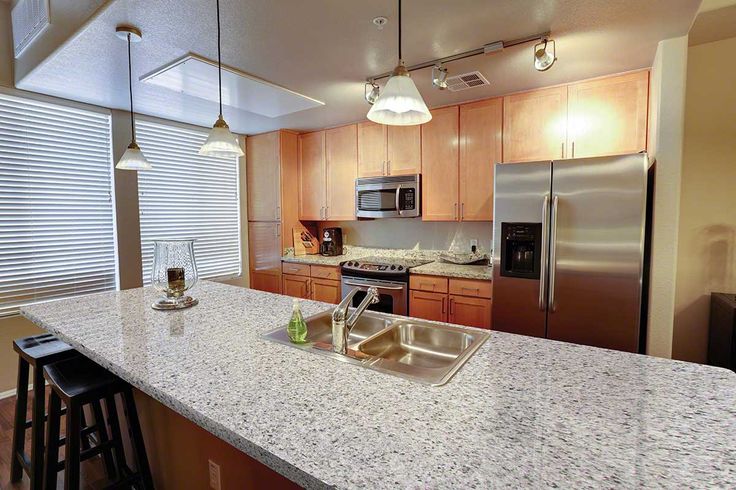
Your kitchen sees more action than any other room in your home. Between morning coffee rushes and dinner prep chaos, your countertops endure constant abuse. They need to handle whatever you throw at them without breaking down. Busy families don’t have time for high-maintenance surfaces. You need materials that look great despite spills, scratches, and daily wear. The right choice makes life easier instead of adding another chore to your list.
Not all countertop materials perform equally under pressure. Some show every scratch and stain within weeks. Others maintain their beauty through years of heavy use without special treatment.
Finding the perfect surface means balancing durability, maintenance, appearance, and cost. Shopping at a countertop warehouse gives you access to multiple materials under one roof. You can compare options side by side instead of driving all over town. The investment you make today affects your daily life for decades. Choosing poorly means frustration every time you use your kitchen. Getting it right transforms meal prep from stressful to enjoyable.
What Makes a Surface Family-Friendly
Durability stands as the top priority for active households. Your countertops face hot pans, sharp knives, dropped dishes, and spilled liquids. Weak materials show damage quickly in these demanding conditions. Heat resistance prevents panic when you set down hot cookware. Some materials tolerate direct contact with hot pots without damage. Others require trivets and constant vigilance to avoid permanent marks.
Scratch resistance keeps surfaces looking new despite daily knife work. Hard materials maintain flawless appearances through years of meal preparation. Softer options develop visible wear patterns that accumulate over time. Stain resistance matters tremendously with kids and cooking. Red wine, coffee, tomato sauce, and oil test every surface eventually. Materials that shrug off these challenges make cleanup stress-free. Maintenance requirements separate convenient choices from demanding ones. Busy families need surfaces that stay beautiful with simple soap and water. Materials requiring special cleaners or frequent sealing add unwanted complexity.
Understanding Natural Stone Options
Natural stone brings timeless beauty with proven performance. These materials have graced kitchens for generations because they work. Modern fabrication makes them more accessible than ever before. Granite remains incredibly popular for good reason. It handles heat beautifully and resists scratching better than most alternatives. Thousands of color and pattern combinations ensure you’ll find something perfect. When searching for stone countertops near me, granite typically appears first in results. Its widespread availability keeps pricing competitive across the Columbus, OH area. Local fabricators maintain extensive inventories in various colors and patterns.
Quartzite offers even greater hardness than granite. It withstands kitchen abuse with exceptional resilience. The elegant patterns rival marble’s beauty without requiring marble’s careful maintenance. Soapstone develops character as it ages. Light scratches blend into the surface naturally over time. The matte finish hides fingerprints and water spots that show on polished surfaces. Slate provides unique texture with excellent durability. Its naturally non-slip surface adds safety around sinks. The distinctive appearance works beautifully in contemporary and traditional kitchens alike.
Exploring Engineered Alternatives
Engineered quartz delivers consistency that natural stone can’t match. Factory production creates uniform colors and patterns throughout. You’ll never face surprises when your slabs arrive. The non-porous surface never needs sealing. Liquids can’t penetrate to cause staining. This maintenance-free quality appeals strongly to people juggling work, kids, and life. Modern engineering creates patterns mimicking natural stone convincingly. Some homeowners actually prefer the predictable appearance over natural variation. Others appreciate knowing exactly what they’re getting. Heat resistance represents engineered quartz’s main limitation. Hot pans can damage the resin binders holding crushed stone together. Using trivets becomes mandatory rather than optional. Durability otherwise matches or exceeds natural stone. The material resists scratching, chipping, and daily wear impressively. Warranties often extend 10-15 years, reflecting manufacturer confidence.
Considering Budget-Friendly Solutions
Laminate has evolved dramatically from your grandmother’s kitchen. Modern versions use high-resolution photography creating stone-look surfaces. Casual observers struggle distinguishing quality laminate from real stone. Cost advantages make laminate attractive for budget-conscious renovations. You’ll spend a fraction of stone prices while getting decent performance. The savings allow upgrades elsewhere in your kitchen.
Durability doesn’t match premium materials, but improved significantly over older laminates. Newer versions resist scratching and heat better than predecessors. Careful use extends service life considerably. Seams remain more visible in laminate than stone. Large kitchens require multiple pieces that don’t blend invisibly. Strategic placement minimizes this aesthetic concern. Solid surface materials like Corian offer middle-ground pricing. Seamless installations create continuous surfaces impossible with other materials. Minor scratches buff out easily, restoring original appearance.
Evaluating Performance Under Pressure
Real-world testing reveals how materials perform in busy kitchens. Laboratory ratings mean less than actual daily use over years. Understanding these practical realities guides smart decisions. Heavy cooking demands heat-resistant surfaces. If you regularly cook from scratch, choose materials tolerating direct pot contact. Granite, quartzite, and soapstone excel here while engineered quartz requires caution.
Families with young children need stain-resistant, forgiving surfaces. Juice spills, crayon marks, and food experiments happen constantly. Materials that clean easily without showing every incident save endless frustration. Bakers benefit from cool surfaces that don’t warm dough. Natural stone stays cooler than room temperature naturally. This property makes rolling pastry and working chocolate much easier.
Entertaining frequently means serving and staging food on counters. Durable surfaces handle trays, platters, and serving dishes without worry. Scratch-resistant materials maintain appearance despite this extra use.
Finding Quality Local Sources
Shopping locally provides advantages beyond just convenience. You can inspect actual materials rather than relying on photos. Lighting in your kitchen differs dramatically from online images. Local suppliers understand regional preferences and common home styles. They stock materials that work well in Columbus, OH area homes. Their experience guides you toward proven choices. Establishing relationships with nearby fabricators benefits future projects. They remember customers and often prioritize repeat business. This connection proves valuable if issues arise needing quick resolution.
Visiting showrooms lets you touch and feel different materials. Photos never capture texture, depth, or how light interacts with surfaces. Kitchen surface specialists help you understand practical differences between similar-looking options. Supporting local businesses keeps money circulating in your community. These companies employ neighbors and contribute to the local economy. The relationships built often extend beyond single transactions.
Comparing Maintenance Requirements
Daily cleaning needs vary significantly between materials. Most surfaces handle soap and water fine for routine maintenance. Specialized cleaners add expense and complexity worth avoiding if possible. Sealing requirements represent ongoing commitments for some materials. Granite and quartzite typically need annual or biennial sealing. The process takes just hours but must happen regularly. Testing sealing effectiveness takes seconds. Drop water on the surface and watch behavior. Beading water indicates good protection while absorbed water signals resealing time. Engineered quartz eliminates sealing entirely. The non-porous surface maintains protection permanently. This maintenance-free quality particularly appeals to extremely busy households.
Some materials hide wear better than others. Matte finishes conceal minor scratches and water spots. Highly polished surfaces show every fingerprint and imperfection clearly.
Installation Factors
Professional installation protects your investment completely. These heavy materials require specialized skills and equipment. Amateur installation risks damaging expensive materials beyond repair. Template accuracy determines fit quality. Skilled fabricators measure precisely, accounting for walls that aren’t perfectly straight. Their experience prevents gaps that look unprofessional. Seam placement matters enormously in larger kitchens. Strategic positioning makes seams less noticeable. Premium fabricators plan carefully to minimize visual impact. Turnaround time varies by material and fabricator workload. Natural stone typically requires 2-3 weeks from template to installation. Engineered materials sometimes arrive faster due to consistent availability.
Maximizing Your Investment
Quality materials cost more initially but deliver superior long-term value. Cheap countertops requiring replacement after 10 years prove expensive ultimately. Durable surfaces lasting 30-50 years justify premium pricing. Upgrade your kitchen surfaces with choices that enhance both function and home value. Real estate professionals consistently cite quality countertops as key selling features. The investment pays dividends when selling. Color selection impacts satisfaction over time. Neutral tones adapt as décor changes through years. Bold choices risk feeling dated sooner though they create memorable statements. Edge profiles add personality without extreme cost. Simple edges work beautifully in contemporary designs. Elaborate profiles suit traditional styles while adding modest expense. Thickness affects both appearance and cost. Standard materials perform excellently for most applications. Thicker slabs create dramatic statements worth considering for prominent islands.
Protecting Your Investment
Cutting boards preserve surface integrity regardless of material choice. Even the hardest stone benefits from this simple precaution. Boards also provide better cutting surfaces than hard stone. Trivets protect materials with heat sensitivity. Keep them handy near cooking areas for convenient use. This small habit prevents expensive damage from momentary carelessness. Immediate spill cleanup prevents staining even on resistant surfaces. Most stains happen when liquids sit unnoticed for hours. Quick attention eliminates problems before they develop. Avoid harsh chemicals that damage sealers or surfaces. Acidic cleaners particularly harm natural stone. Stick with pH-neutral cleaners recommended by manufacturers. Regular sealing maintains protection on porous materials. Set annual reminders so this simple maintenance doesn’t get forgotten. Fifteen minutes of effort preserves your investment for years.
Making Your Final Decision
Visit multiple suppliers before deciding. Seeing materials in person reveals differences photos can’t capture. Bring cabinet samples and backsplash tiles to test combinations. Request samples for home viewing. Lighting conditions vary dramatically between showrooms and kitchens. Living with samples several days provides valuable perspective. Get detailed quotes including all costs. Material, fabrication, delivery, installation, and removal should appear itemized. Hidden charges create unpleasant surprises later. Check references and view completed work. Quality fabricators happily share customer contacts. Their portfolio demonstrates capability and style range. Trust your instincts about both materials and contractors. If something feels wrong, keep looking. The right combination feels naturally correct.
Planning for the Future
Consider how long you’ll live in your home. Selling soon means choosing broadly appealing options. Staying decades allows more personal selections. Think about aging in place if approaching retirement. Contrasting colors between counters and cabinets help vision-impaired individuals. Rounded edges prevent injury from falls. Account for changing family needs. Young children become teenagers with different kitchen usage patterns. Flexible choices adapt as circumstances evolve. Climate affects material performance. Extreme temperature swings challenge some materials more than others. Local suppliers understand regional conditions impacting longevity.
FAQ
What’s the toughest countertop for families?
Quartzite and granite offer exceptional durability for active households. Both resist heat, scratches, and staining when properly sealed. They maintain appearance through decades of heavy use.
Do I really need to seal granite?
Yes, most granite benefits from periodic sealing. This simple maintenance prevents staining from cooking oils and acidic foods. Testing takes seconds—water should bead rather than absorb.
Can engineered quartz handle hot pans?
Not directly. The resin binders can discolor or damage under high heat. Always use trivets with engineered quartz to protect your investment.
Which material needs least maintenance?
Engineered quartz requires the least upkeep. It never needs sealing and cleans with simple soap and water. This makes it ideal for extremely busy families.
How long do countertops typically last?
Natural stone easily lasts 50+ years with basic care. Engineered materials typically last 20-30 years. Laminate usually needs replacement after 10-15 years.
Should I buy the thickest material available?
Not necessarily. Standard thickness performs excellently for most applications. Extra thickness adds cost without functional benefit unless you want dramatic visual impact.
Can I install countertops myself?
This isn’t recommended due to material weight and value. Professional installation requires specialized tools and experience. The cost savings rarely justify damage risks.
What if I can’t decide between materials?
Request samples from your top choices. Live with them in your kitchen under real lighting for several days. The right choice usually becomes clear during this time.