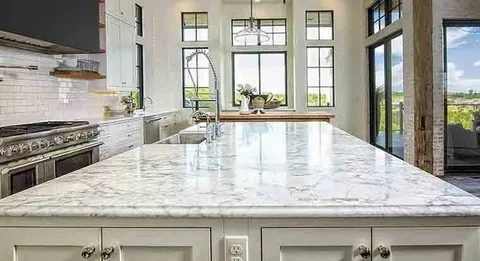
Walking into a kitchen with stunning natural stone surfaces takes your breath away. The elegance and sophistication create an atmosphere that no manufactured material can replicate. It’s the kind of beauty that makes you want to linger over morning coffee. For centuries, marble has symbolized luxury and refinement in homes worldwide. From ancient palaces to modern penthouses, this natural stone commands attention and admiration. The material carries a timeless quality that transcends passing design trends. Today’s homeowners continue choosing this classic material despite numerous alternatives flooding the market. The decision often comes down to something beyond pure practicality. There’s an emotional connection to authentic natural beauty that resonates deeply.
Marble countertops bring a distinctive character that transforms ordinary kitchens into extraordinary spaces. Each slab tells a unique geological story formed over millions of years. No two pieces ever look identical, making your installation truly one-of-a-kind. Understanding what makes this material special helps explain its enduring appeal. The combination of visual beauty and natural authenticity creates value beyond simple function. Let’s explore why so many people fall in love with this elegant stone.
The Unmatched Visual Appeal
Natural veining creates artwork that no factory can reproduce. Delicate lines flow across surfaces in patterns determined by nature alone. Some slabs feature subtle movements while others display dramatic sweeping gestures. White marble remains the most iconic choice for good reason. Crisp, clean surfaces brighten kitchens while creating feelings of spaciousness and airiness. The classic appearance works beautifully across virtually any design style. Gray marble offers sophisticated neutrality with more visual interest than solid colors. Veining in various shades creates depth and dimension. These varieties suit both contemporary and traditional aesthetics equally well. Colored marbles like green, black, or gold make bold statements. These dramatic options define kitchen character instantly. They work best as focal points in larger spaces with simpler surrounding elements. The polished finish reflects light beautifully throughout your space. This luminous quality adds warmth and life that matte surfaces can’t achieve. Evening ambient lighting transforms marble into something almost magical.
The Cool Surface Advantage
Bakers discovered marble’s special properties centuries ago. The stone stays naturally cooler than room temperature. This characteristic makes rolling pastry and working with chocolate significantly easier. Dough doesn’t warm and stick as readily on cool surfaces. Professional bakers specifically seek out marble work surfaces for this reason. Home bakers appreciate the same advantages in their kitchens. The thermal mass also means marble doesn’t quickly absorb heat from your hands. You can work longer without warming the surface. This property particularly benefits anyone who bakes regularly. Candy making and chocolate work demand temperature control. Marble provides the ideal surface for tempering and shaping. Many serious home confectioners consider it essential equipment.
The Practical Considerations
Marble requires more care than some harder stones. Acids from citrus, wine, and tomatoes can etch the surface. These marks appear as dull spots where polish has dissolved. Etching happens quickly with acidic spills sitting on surfaces. Immediate cleanup prevents most damage. Many homeowners accept minor etching as part of marble’s natural character development. Staining presents another consideration with lighter marble varieties. Coffee, wine, and oils can penetrate if left unattended. Regular sealing provides protection against most household spills. Proper sealing makes maintenance much easier. Quality sealers repel liquids long enough for cleanup. Resealing annually or biannually maintains this protective barrier effectively. Some people love how marble develops patina over time. Light scratches and subtle etching create character that tells your family’s story. This aging process appeals to those valuing authenticity over perfection.
Finding Quality Sources Locally
Shopping locally lets you inspect actual slabs before committing. Photos never capture the full beauty of natural stone. You need to see how light interacts with veining patterns in person. When searching for countertops near me in the Simpsonville, KY area, multiple quality suppliers appear. Local fabricators understand regional preferences and home styles. Their expertise guides you toward selections that work beautifully.
Visiting showrooms provides opportunities to compare marble against other materials directly. You can touch surfaces and appreciate differences in texture and finish. This hands-on experience proves invaluable for confident decision-making. Local suppliers often maintain relationships with specific quarries. They can access particular marble varieties consistently over time. This proves helpful if you need additional material for future renovations.
Building relationships with nearby fabricators benefits long-term. They remember customers and prioritize repeat business. Quick responses to questions or concerns become much easier with established connections.
The Investment Perspective
Marble pricing varies widely based on rarity and origin. Common varieties start around $50-75 per square foot installed. Exotic imports from famous Italian quarries can exceed $200 per square foot. Carrara marble from Italy represents the classic choice many envision. It delivers excellent value with beautiful gray-white veining. This variety remains accessible to many budgets while providing authentic Italian marble. Calacatta marble commands premium prices due to distinctive bold veining. The dramatic patterns create stunning focal points worth the investment. These rare slabs become true statement pieces in kitchen designs. Statuary marble features minimal veining with pure white backgrounds. Its refined elegance suits formal traditional kitchens perfectly. Pricing typically falls in the upper-middle range between Carrara and Calacatta. The resale value impact justifies investment for many homeowners. Quality natural stone surfaces consistently enhance property appeal and pricing. Real estate professionals cite kitchens as critical factors in home sales.
Maintenance Reality Check
Daily cleaning requires only mild soap and water. Harsh chemicals damage both sealers and the stone itself. Gentle care keeps surfaces beautiful without special products. Coasters under glasses prevent ring marks from acidic beverages. Trivets protect against heat damage and thermal shock. These simple habits preserve appearance significantly. Cutting boards prevent both knife damage and food acid contact. Always use boards even for quick tasks. This precaution becomes automatic after initial adjustment. Wiping spills immediately prevents most staining and etching. Keep cleaning cloths handy near food prep areas. Quick action eliminates problems before they develop. Professional restoration can remove etching and refresh polish. This service costs less than replacement while restoring original beauty. Many homeowners maintain marble for decades through periodic professional care.
Design Versatility
Marble suits virtually any kitchen style from ultra-modern to classically traditional. The material’s inherent elegance elevates whatever aesthetic you choose. Its versatility explains continued popularity across changing design trends. Contemporary kitchens use marble for sophisticated minimalist statements. Clean lines and simple cabinetry let stone beauty take center stage. The combination creates serene, uncluttered spaces. Traditional kitchens pair marble with detailed cabinetry and ornate fixtures. The classic material complements period details authentically. Together they create warmth and timeless appeal. Transitional spaces benefit from marble’s ability to bridge styles. It works equally well with modern and traditional elements. This flexibility makes it ideal for eclectic design approaches. Two-tone combinations using marble on islands create stunning focal points. Contrasting perimeter counters in different materials add visual interest. Marble’s luxury elevates the entire space when used strategically.
The Thickness Choice
Standard 3-centimeter thickness suits most applications beautifully. It provides adequate strength for typical installations without excessive weight. Most homeowners find this thickness perfect. Two-centimeter slabs reduce material costs somewhat. They work well with proper support underneath. Edge build-up creates thickness appearance without full 3-centimeter expense. Thicker slabs make dramatic statements in luxury installations. The substantial appearance conveys permanence and quality. This option suits those wanting maximum visual impact.
Edge Profile Options
Simple edges emphasize marble’s natural beauty without distraction. Straight or slightly eased profiles work beautifully in contemporary spaces. The clean lines let veining patterns shine. Elaborate edges suit traditional kitchens better. Ogee, dupont, and other decorative profiles add classical detailing. These treatments complement ornate cabinetry and traditional fixtures. Mitered edges create waterfall effects at island ends. This dramatic treatment showcases marble’s beauty from multiple angles. The contemporary look makes striking focal points.
Installation Considerations
Professional fabrication ensures optimal results from expensive materials. Transform your kitchen with expert installation that protects your investment completely. Skilled craftspeople understand marble’s unique characteristics and handle it properly. Template accuracy determines fit quality significantly. Marble’s value demands precision measurement and cutting. Experienced fabricators minimize waste while achieving perfect fits. Seam placement requires careful planning in larger kitchens. Strategic positioning makes joints less noticeable. Premium fabricators match veining across seams when possible. Supporting heavy marble properly prevents cracking and failure. Installers must understand structural requirements thoroughly. Proper installation methods ensure decades of reliable performance.
Living With Marble
Many homeowners report that initial maintenance concerns fade quickly. Daily routines adapt naturally to accommodate the stone’s characteristics. The beauty makes any extra care feel worthwhile. Families develop habits like using coasters and cutting boards automatically. These practices become second nature within weeks. The minor adjustments seem insignificant compared to daily enjoyment. Some people specifically love marble’s evolving character. Light etching and patina development tell stories of family meals and gatherings. This lived-in quality adds warmth and authenticity. Others maintain pristine appearances through careful use and regular professional care. Both approaches work well depending on your preferences. There’s no single right way to live with marble.
Environmental Considerations
Natural stone represents an environmentally friendly choice in many ways. No manufacturing process creates this material—it’s purely extracted and cut. Energy requirements remain relatively minimal compared to synthetic alternatives. Marble’s longevity means less frequent replacement. Lasting 50+ years reduces environmental impact significantly. Fewer replacements mean less waste in landfills over time. The material contains no chemicals or VOCs affecting indoor air quality. It’s completely inert and safe for food contact. This natural purity appeals to health-conscious homeowners. Reclaimed marble offers even more sustainable options. Salvaged pieces from old buildings get new life in modern kitchens. This recycling preserves history while reducing quarrying demand.
Making Your Decision
Trust your emotional response when viewing marble slabs. If something speaks to you immediately, that’s meaningful. Your countertops should make you happy every single day. Consider your lifestyle honestly when evaluating maintenance requirements. Active families with young children might prefer more forgiving materials. Empty nesters often embrace marble’s character development. Budget both initial costs and ongoing care realistically. Quality sealer costs remain minimal. Professional restoration every few years maintains beauty affordably. View multiple slabs before selecting. Natural variation means each piece differs. Taking time to find the perfect slab ensures lasting satisfaction.
FAQ
Does marble scratch easily?
Marble is softer than granite but harder than many people think. Normal use doesn’t cause significant scratching. Always use cutting boards to prevent knife marks regardless.
Can I use marble for bathroom vanities?
Absolutely. Bathrooms see less acidic exposure than kitchens. Marble works beautifully for vanities with proper sealing. The elegant appearance enhances any bathroom design.
Will lemon juice ruin my marble?
Brief contact won’t ruin surfaces but can cause etching. Wipe citrus spills immediately to prevent damage. Most etching can be professionally restored if it occurs.
How often should I seal marble?
Most marble needs sealing annually or every two years. Test by placing water drops on the surface. If water beads, sealing remains effective.
Is marble more expensive than granite?
Pricing overlaps significantly between these materials. Common marble often costs similar to mid-range granite. Exotic variet