Introduction
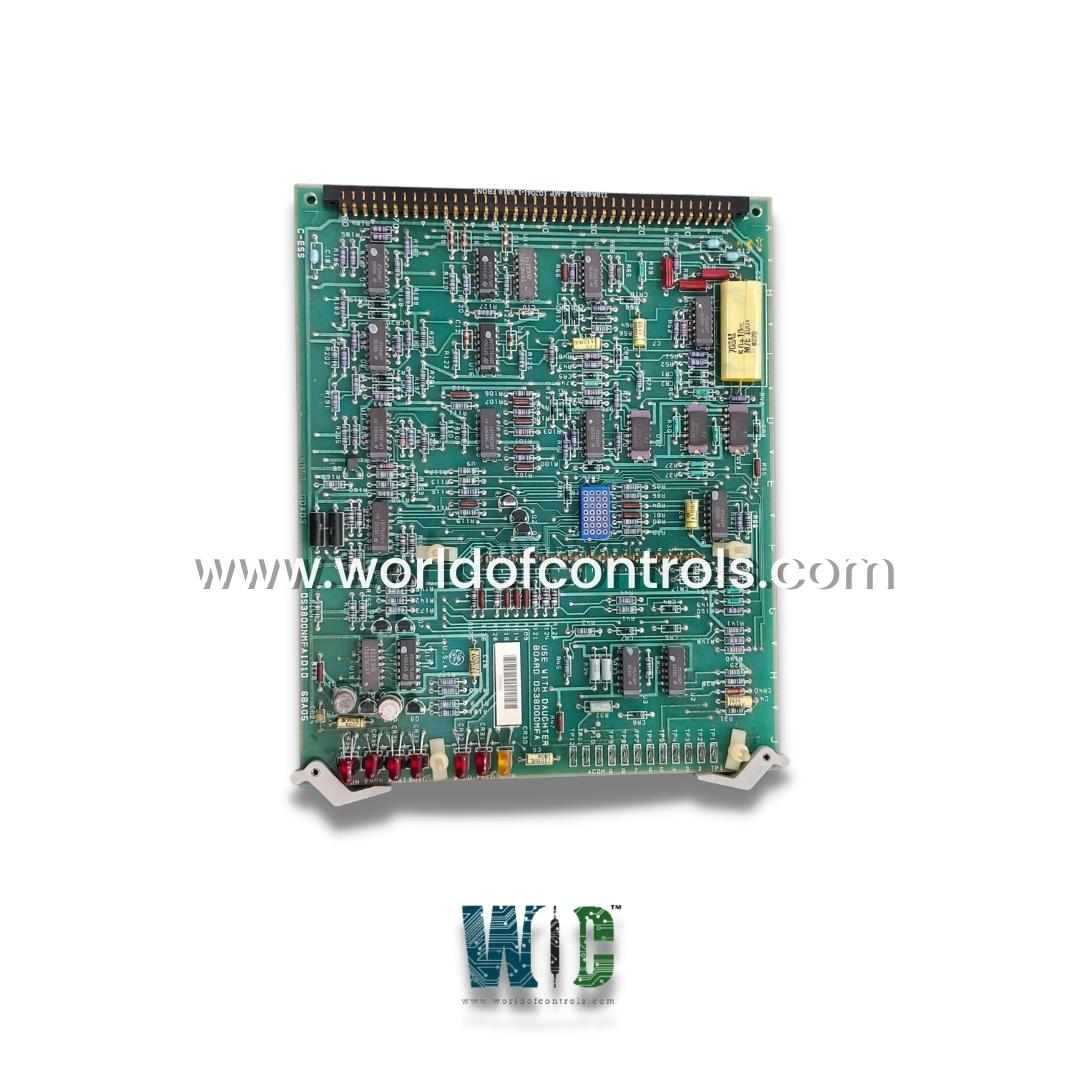
GE motor field regulators are essential components in industrial motor control systems, particularly within the turbine industry. These devices regulate the field current of DC motors, directly influencing speed, torque, and operational stability. When field regulators malfunction, turbines and their auxiliary systems may experience performance degradation, increased wear, or unexpected shutdowns. Understanding common issues and effective troubleshooting methods is vital for ensuring reliable turbine operation.
Role of Motor Field Regulators in Turbine Systems
In turbine-based power generation systems—including steam, gas, and hydro turbines—DC motors are widely used to drive auxiliary equipment such as pumps, cooling fans, lubrication systems, and excitation controls. Motor field regulators maintain precise control over the magnetic field strength of these motors, allowing them to respond accurately to changing load demands.
Stable field regulation is particularly important in turbine environments, where operating conditions fluctuate frequently. Proper control ensures smooth motor acceleration, prevents mechanical stress, and supports consistent turbine output.
Importance of Field Regulation in GE Turbine Control Platforms
GE turbine control platforms rely on motor field regulation to integrate motor-driven auxiliaries into the broader control architecture. Field regulators monitor feedback signals such as voltage and current, adjusting output in real time to maintain optimal motor performance.
Because many turbine installations operate continuously and under demanding conditions, even minor field regulation issues can cascade into larger system problems. Poor field control may lead to speed instability, inefficient operation, or protective trips designed to safeguard turbine equipment.
Common Issues in GE Motor Field Regulators
1. Field Current Instability
Fluctuating field current is a common issue that can cause erratic motor behavior. In turbine auxiliaries, this may appear as vibration, inconsistent speed, or difficulty maintaining load. Typical causes include aging electronic components, degraded signal conditioning circuits, or loose wiring connections.
2. Regulator Overheating
Overheating is often linked to excessive electrical load, inadequate ventilation, or harsh ambient conditions commonly found in turbine enclosures. Prolonged exposure to high temperatures can degrade internal components, reducing regulator reliability and increasing the likelihood of failure.
3. Loss of Field Control
A loss of field control can result in reduced motor torque or sudden motor shutdown. This issue is usually associated with power supply interruptions, internal control circuit faults, or failures in sensing elements. In turbine systems, such events may trigger alarms or automatic shutdowns to protect critical equipment.
4. Incorrect Feedback Signals
Motor field regulators depend on accurate feedback to function correctly. Faulty sensors, damaged cables, or electrical noise can distort feedback signals, leading to improper regulation. This may cause inefficient motor operation or frequent control system faults.
Troubleshooting and Diagnostic Techniques
Effective troubleshooting begins with visual inspection of the regulator and surrounding components. Signs of overheating, discoloration, or loose connections should be addressed immediately. Electrical testing can verify whether input power levels, output voltage, and field current fall within acceptable ranges.
Reviewing trend data from turbine control systems can also help identify gradual performance degradation. Comparing current operating values against historical benchmarks allows maintenance teams to detect emerging issues before they escalate into failures.
Preventive Maintenance Best Practices
Preventive maintenance is critical in turbine applications. Routine inspections, thermal checks, and periodic functional testing help maintain stable field regulation. Ensuring clean control cabinets, proper airflow, and secure wiring connections can significantly extend regulator service life.
Conclusion
GE motor field regulators play a vital role in maintaining the reliability and efficiency of turbine-driven systems. By understanding common issues and applying systematic troubleshooting methods, operators can reduce downtime, protect critical equipment, and ensure stable turbine performance. Proactive maintenance and early diagnostics remain the most effective strategies for long-term operational success.