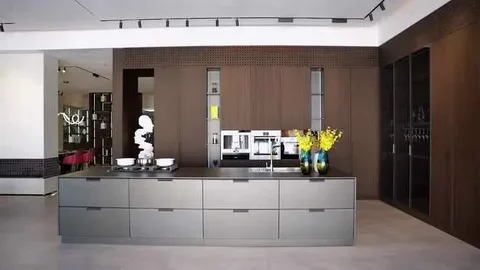
Your kitchen cabinets do more than store dishes and food. They define your kitchen’s entire look and feel. Good cabinets make cooking easier and your home more valuable.
Think about how much time you spend in your kitchen. You open and close cabinets dozens of times each day. The right design improves your daily routine while creating a space you love.
This guide walks you through everything you need to know about selecting cabinets. You’ll learn about styles, materials, storage solutions, and smart features. By the end, you’ll feel confident planning your kitchen transformation.
Understanding Your Kitchen Needs
Start by evaluating what you actually use your kitchen for. Do you cook elaborate meals or just reheat leftovers? Your habits should guide your cabinet choices.
Count your pots, pans, dishes, and pantry items. Be honest about what you need to store. Many homeowners underestimate their storage requirements and regret it later.
Measure your kitchen carefully before making any decisions. Note the locations of windows, doors, and appliances. This prevents costly mistakes down the road.
Set a realistic budget that accounts for materials, installation, and hardware. Quality kitchen cabinetry represents a significant investment, but it pays off through years of use. Milwaukee homeowners typically allocate 40-50% of their kitchen remodeling budget to cabinets.
Popular Cabinet Styles to Consider
Shaker-style cabinets remain the most requested design. They feature a simple five-piece door with a recessed center panel. This clean look works with virtually any kitchen theme, from farmhouse to transitional.
Modern flat-panel cabinets suit contemporary homes perfectly. Also called slab cabinets, they have smooth, flat surfaces without raised details. The minimal design creates sleek, sophisticated spaces.
Traditional raised-panel cabinets bring classic elegance to kitchens. The center panel sits higher than the frame, adding depth and dimension. These work beautifully in homes with period architecture or formal dining areas.
Glass-front cabinets let you display your favorite dishes and glassware. They break up solid cabinet runs and make kitchens feel more open. Upper cabinets with glass inserts are especially popular.
Choosing the Right Cabinet Colors
White cabinets create bright, airy kitchens that feel spacious. They’re the top choice for resale value and match any decor style. Plus, they make small kitchens appear larger.
Gray cabinets offer modern sophistication without feeling cold. Light grays work in traditional spaces while charcoal tones suit contemporary designs. This neutral pairs beautifully with most countertop materials.
Natural wood tones bring organic warmth into your kitchen. Oak, maple, cherry, and walnut each offer distinct grain patterns. Stained wood cabinets showcase the material’s natural beauty.
Two-tone kitchens combine different colors for visual interest. Popular combinations include white uppers with navy lowers or gray perimeter cabinets with a wood island. This approach adds personality without overwhelming the space.
Smart Storage Solutions
Pull-out drawers make accessing items much easier than fixed shelves. You can see everything without removing front items. They’re especially valuable in base cabinets.
Corner cabinets often waste valuable space. Lazy Susans and pull-out organizers maximize these awkward areas. Blind corner systems retrieve items that would otherwise be unreachable.
Deep drawers accommodate large pots, pans, and small appliances. They’re more functional than traditional lower cabinets with shelves. Stack cookware vertically using dividers for maximum efficiency.
Built-in spice racks keep frequently used ingredients within reach. Pull-out spice organizers fit in narrow spaces beside ranges. Drawer inserts work great too.
Drawer dividers organize utensils and prevent the dreaded junk drawer chaos. Customizable inserts adjust to your specific tools and gadgets.
Functional Cabinet Features
Soft-close hinges and drawer glides prevent slamming and extend cabinet life. They add a luxury feel to everyday use. This feature is worth the modest additional cost.
Under-cabinet lighting illuminates work surfaces for safer food prep. LED strips are energy-efficient and long-lasting. They also create ambiance for evening entertaining.
Built-in trash and recycling bins hide unsightly waste containers. Pull-out systems keep bins accessible but out of sight. This simple feature dramatically improves kitchen aesthetics.
Appliance garages conceal toasters, coffee makers, and other countertop appliances. These lift-up or pocket-door cabinets maintain clean counters. Your kitchen looks organized even when you’re not using it.
Cabinet Materials That Last
Solid wood remains the premium choice for cabinet frames and doors. It’s durable, beautiful, and can be refinished if needed. Maple, oak, and cherry are popular wood species.
Plywood construction provides excellent strength and stability for cabinet boxes. It resists moisture better than particleboard and holds screws securely. Quality modern kitchen cabinets typically feature plywood construction.
MDF (medium-density fiberboard) works well for painted cabinets. It provides a smooth, grain-free surface that accepts paint beautifully. However, it’s less suitable for stained finishes.
Laminate cabinets offer budget-friendly durability. Today’s laminates mimic wood grain convincingly. They resist stains and moisture while requiring minimal maintenance.
Hardware and Finishing Touches
Cabinet handles and knobs are like jewelry for your kitchen. They’re small details that make a big visual impact. Choose hardware that feels comfortable in your hand since you’ll use it constantly.
Brushed nickel remains popular for its versatility and durability. Matte black hardware creates bold, modern statements. Brass and gold finishes are trending for those wanting warmth and character.
Match your hardware finish to other kitchen metals like faucets and light fixtures. Consistency creates a cohesive, professional look. Mixing metals can work but requires careful planning.
Crown molding and decorative trim elevate cabinet designs. These details make stock cabinets look custom. They’re especially effective in traditional and transitional kitchens.
Maximizing Small Kitchen Spaces
Tall cabinets that reach the ceiling maximize vertical storage. The top shelves hold rarely-used items like holiday dishes. This approach eliminates dust-collecting gaps and makes kitchens feel taller.
Strategic open shelving breaks up solid cabinet runs visually. It makes small kitchens feel less enclosed. Display attractive dishes or cookbooks on open shelves.
Light cabinet colors expand perceived space. White, cream, and light gray reflect light around the room. Dark colors can work but require careful lighting planning.
Multi-purpose cabinet solutions serve double duty in tight spaces. Islands with built-in seating, cabinets with fold-down tables, and breakfast nook storage benches all maximize functionality.
Planning Your Cabinet Layout
The work triangle concept places the sink, stove, and refrigerator in an efficient triangle. Cabinet placement should support this workflow. Store pots near the stove and dishes near the dishwasher.
Balance upper and lower cabinets for both storage and aesthetics. Too many upper cabinets make kitchens feel cramped. Mix in open areas or windows for visual relief.
Leave adequate spacing around appliances for doors to open fully. Refrigerators need clearance, and dishwashers require pull-out room. Plan for these dimensions during the design phase.
Consider accessibility needs now and for the future. Lower drawers are easier to access than upper cabinets. Pull-out shelves accommodate various mobility levels.
Budget-Friendly Cabinet Updates
Painting existing cabinets costs a fraction of replacement. Choosing quality paint designed for cabinets and proper preparation is essential. This transformation can make 20-year-old cabinets look brand new.
Replacing just cabinet doors updates appearance without the full cost. Keep existing boxes and install new doors and drawer fronts. This works when cabinet boxes are structurally sound.
New hardware provides instant refreshment for outdated cabinets. Replacing old handles and knobs takes minimal time and money. Choose modern finishes to update the look.
Adding open shelving sections by removing some cabinet doors creates trendy open storage. This no-cost update works especially well in Milwaukee kitchens seeking a more casual feel.
Moving Forward with Confidence
Choosing cabinets involves balancing style preferences with practical needs. Remember that you’ll use your kitchen daily for years to come. Prioritize functionality alongside aesthetics.
Quality materials and construction matter more than trendy finishes. Durable cabinets withstand daily wear while cheap options deteriorate quickly. Invest wisely for long-term satisfaction.
Start planning your kitchen transformation today. Measure your space, create a wish list, and research local suppliers. Your dream kitchen is closer than you think.
Frequently Asked Questions
How long do quality kitchen cabinets last?
Well-built cabinets easily last 20-30 years with proper care. Solid wood cabinets can serve multiple generations.
Should I choose custom or stock cabinets?
Custom cabinets fit perfectly and offer unlimited options but cost more. Stock cabinets are budget-friendly with limited sizes. Semi-custom splits the difference.
What’s the most durable cabinet finish?
Lacquer and conversion varnish provide excellent durability and resistance to daily wear, moisture, and cleaning products.
Can I install cabinets myself?
Experienced DIYers can install cabinets, but professional installation ensures proper leveling, secure mounting, and warranty protection.
How do I maintain my kitchen cabinets?
Clean regularly with mild soap and water. Avoid harsh chemicals. Tighten hardware annually and touch up scratches promptly to prevent damage.