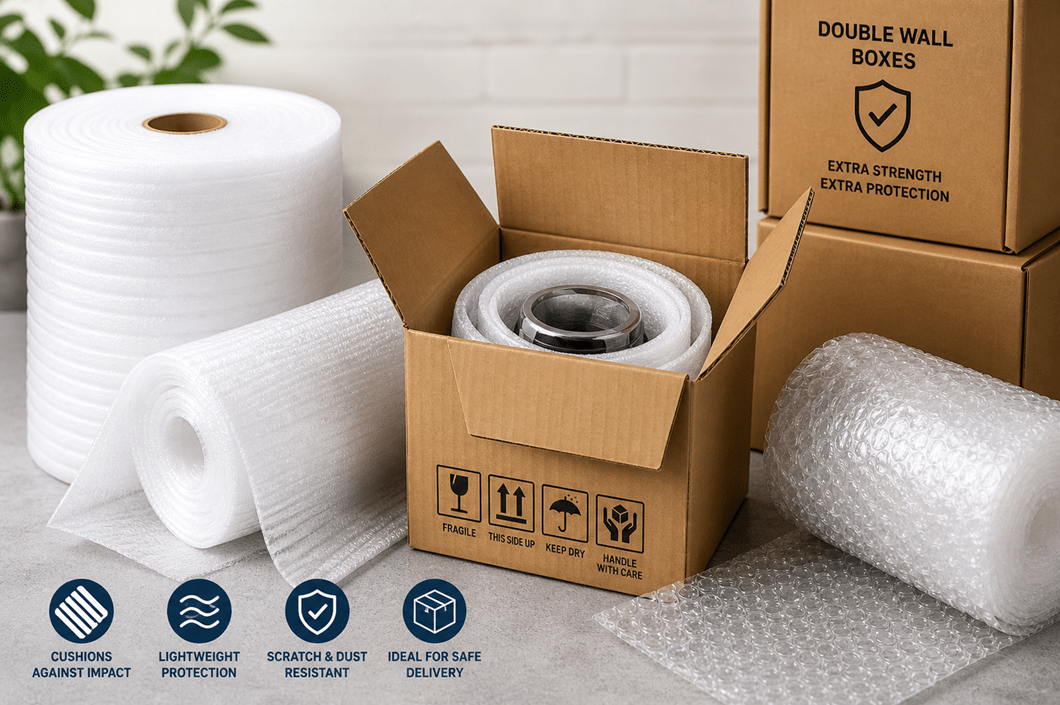
A parcel can look perfectly packed from the outside and still arrive with scratches, scuffs or pressure marks. That usually happens when the outer box is doing its job but the product inside is still moving or rubbing against hard surfaces.
That is why protective packing is rarely about the outer carton alone. In practical shipping environments, the real protection often comes from the layer wrapped directly around the product. This is where foam wrap rolls quietly do a lot of work.
Unlike bulkier cushioning, foam has a softer surface. It absorbs light impact, reduces friction and helps keep delicate finishes clean during storage and transit. For products with polished surfaces, painted edges or fragile corners, that extra layer often makes a visible difference.
Why Do Foam Rolls Matter During Transit?
Transit damage is not always dramatic. Many returns are due to minor cosmetic marks rather than breakage. A lamp base may arrive with light scuffing. A glass frame may stay intact but lose its finish. In retail and fulfilment, those details matter.
That is why many packing teams use foam as part of their regular packaging materials. It acts as a barrier between the product and the box, reducing direct contact.
In home décor shipping, for example, framed mirrors, ceramic planters, and polished hardware are often wrapped in foam before being placed in double walled boxes. The outer carton absorbs pressure. The foam protects the surface.
Which Types of Foam Rolls Are Commonly Used?
Different products need different levels of cushioning. That is usually where roll thickness and density come into the decision.
Lightweight Foam Rolls
These are often used for lighter items that need surface protection more than impact absorption.
They work well for:
- picture frames
- books with coated covers
- decorative trays
- small retail items
They are flexible, easy to wrap and useful when the aim is to stop rubbing during movement.
Medium-Density Foam Rolls
This is the option many packing operations rely on for everyday shipping.
They are commonly used for:
- ceramics
- kitchenware
- glass accessories
- electronics with polished surfaces
The extra density provides better cushioning without becoming bulky. In practical packing lines, this is often where foam wrap rolls offer the best balance between protection and efficiency.
Heavy Duty Foam Rolls
Heavier products need a stronger protective layer. Thick foam rolls are designed for that purpose.
They are often chosen for:
- lighting fixtures
- metal hardware
- heavier decorative pieces
- products travelling longer distances
They do not replace outer packaging, but they reduce direct impact where it matters most.
How Do Roll Sizes Affect Packing Performance?
Size matters more than many people expect.
A narrow roll works well for smaller items or corner wrapping. Wider rolls are usually better for larger surfaces because fewer overlaps mean faster packing and more even protection.
Packing teams often choose roll widths based on the product’s shape rather than weight alone.
Typical uses include:
- narrow rolls for bottles, small décor pieces and boxed accessories
- medium widths for household products and framed goods
- wide rolls for mirrors, larger panels and flat-packed items
In fulfilment environments, choosing the right width saves time. It also avoids unnecessary material waste.
Is Foam Better Than Other Protective Layers?
That depends on what needs protecting.
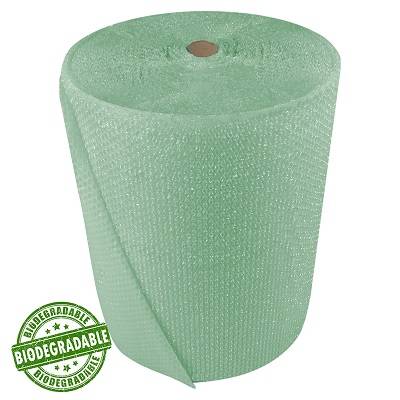
Bubble wrap is useful for cushioning larger voids or protecting against stronger impacts. But for polished or delicate surfaces, the texture can sometimes leave marks if packed too tightly.
Foam behaves differently. It sits flatter against the surface, creating a softer protective barrier.
That is why both are often used together. Foam protects the product’s surface, while the outer cushioning absorbs movement within the carton.
In packaging practice, it is rarely about choosing one material over another. It is about using the right layers in the right order.
What Makes Good Quality Foam Worth Paying Attention To?
Not all foam performs the same way.
A good roll should:
- feel consistent across the full length
- resist tearing while wrapping
- hold shape without flattening too quickly
- wrap cleanly around corners and edges
These details matter in busy packing environments. Uneven foam can create pressure points. Thin areas can leave parts of the product exposed.
That is why experienced packing teams usually look beyond price alone. Reliable protection often comes from material consistency.
Where Do Foam Rolls Work Especially Well?
Some products benefit from foam more than others. In homeware shipping, polished candle holders, glazed ceramics and framed wall pieces are common examples. These items may survive impact, but surface damage affects how customers receive them.
Fashion accessories also rely on soft protective layers. Decorative boxes, metallic trims, and premium presentation pieces often need protection that does not scratch their finishes.
In these situations, foam becomes less of an optional extra and more of a practical part of the packing process.
Conclusion
A strong carton protects the parcel. A foam layer protects the product.
That difference matters. Surface scratches, light scuffing and edge marks often happen long before a box shows visible damage. Used well, foam wrap rolls add a simple but effective layer of protection. For businesses that care about clean arrivals, fewer returns and better presentation, they remain one of the most dependable choices in modern shipping.