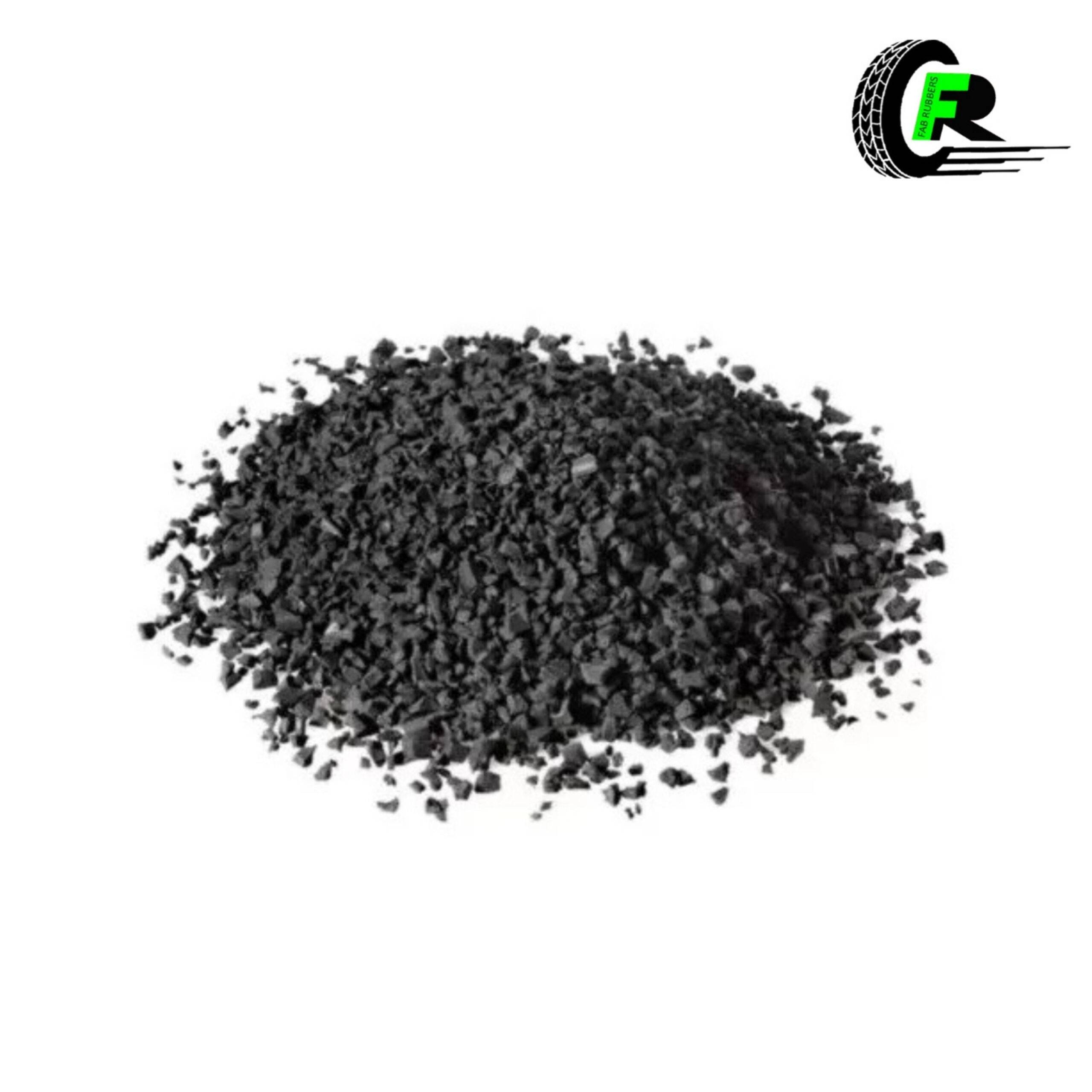
Tyre Crumb: What It Is and Why It’s Used in Flooring & Surfaces
If you’ve ever walked on a cushioned playground surface or noticed the soft, tick-resistant ground in a gym or outdoor workout area, you’ve likely experienced tyre crumb without even realizing it. I first encountered this material years ago in a community park that had updated its rubberized walkways — the surface felt comfortable, stable, and safe underfoot, much different from hard concrete or loose mulch. That experience got me curious about what tyre crumb actually is and why it’s so widely used for flooring and surfacing applications.
At its core, tyre crumb (sometimes called “tire crumb”) is the granulated rubber that comes from recycled vehicle tyres. Instead of old tyres ending up in landfills, they’re processed — with metal and fibers removed — into small, durable granules. These granules can then be used on their own or mixed with binders to create resilient, impact-absorbing surfaces in playgrounds, gym areas, sports fields, walkways, and more.
If you’re exploring materials for surfacing projects and want to see tyre crumb options and related products, you can start with what’s available at — they offer tyre crumb material details and help you understand how it’s graded and used.
What Is Tyre Crumb?
Tyre crumb is produced by shredding old or waste tyres into small pieces, removing metal and textile components, and then refining the rubber into granules. These granules are typically measured by mesh size — finer mesh for softer, more uniform surfaces and coarser granules for rugged or drainage-friendly applications.
Because tyre crumb comes from recycled materials, it not only performs well, it also supports environmental sustainability by reducing tyre waste.
Where Tyre Crumb Is Commonly Used
Tyre crumb shows up in many everyday environments where shock absorption, durability, and traction matter:
Playground Safety Surfacing
When tyre crumb is mixed with a binder, it forms a smooth, impact-absorbing surface that helps cushion falls and protect children at play.
Artificial Turf Infill
Crumb rubber is often used as infill under synthetic grass, improving resilience and helping turf blades stand upright.
Gym and Fitness Floors
The granules help absorb impact from dropping weights and reduce noise, making gym floors safer and more comfortable.
Athletic Tracks and Sports Surfaces
Tyre crumb enhances traction and provides a consistent feel for running tracks and multi-purpose athletic areas.
Outdoor Walkways and Trails
Cushioned rubber walkways with tyre crumb offer a firm, resilient surface for runners and walkers without harsh impact.
Landscaping and Outdoor Spaces
Crumb rubber surfaces handle foot traffic well and provide lasting performance in parks and communal areas.
In each of these uses, the material’s durability and resiliency make a noticeable difference in comfort and safety.
Why Tyre Crumb Works Well
A few practical characteristics make tyre crumb a popular choice:
Shock Absorption
Rubber granules compress under impact and return to shape, which reduces stress on joints and subfloors.
Traction and Slip Resistance
The textured nature of rubber granules gives good grip underfoot, even when slightly wet or dusty.
Weather Resistance
Tyre crumb materials hold up well in sun, rain, and varying temperatures without breaking down quickly.
Noise Reduction
Impact noise — from footsteps to dropped objects — is muted compared to harder surfaces like concrete or tiles.
Cost-Effective and Sustainable
Because tyre crumb is recycled material, it offers a cost-effective alternative to virgin rubber or synthetic surfaces, and it helps divert waste tyres from landfills.
These features make tyre crumb especially appealing for public spaces and high-use areas where cost, comfort, and durability must all be balanced.
How Tyre Crumb Surfaces Are Installed
Tyre crumb isn’t just poured down like sand — it’s usually installed in one of two ways depending on the project:
Loose-Lay Installation
In some outdoor walkways or garden areas, tyre crumb is spread over a prepared base (like gravel or compacted soil). This method creates a more permeable surface that still provides cushioning underfoot.
Bound Surface Systems
More common for playgrounds and gym floors, tyre crumb is mixed with a binder (often polyurethane) and laid or poured over a stable base. Once cured, this forms a seamless, resilient surface that handles heavy use and provides consistent traction.
Proper base preparation and drainage planning are key to long-lasting performance.
Everyday Care and Maintenance
Tyre crumb surfaces are generally easy to maintain, but regular care helps them perform their best:
- Sweep or blow off debris to remove loose dirt and leaves.
- Rinse with water occasionally to lift dust and surface residues.
- Spot-clean spills promptly to avoid sticky buildup.
- Avoid harsh abrasive chemicals that could interfere with binders in bound systems.
Routine care helps tyre crumb surfaces look fresh and stay performance-ready for active use.
Things to Keep in Mind Before You Choose Tyre Crumb
Before you decide on tyre crumb for your next project, here are a few practical considerations:
Granule Size Matters
Smaller granules create smoother surfaces, while larger ones may be better for drainage or rugged areas. Match granule size to your intended use.
Binder Quality Affects Longevity
If creating a bound surface, high-quality binder materials help ensure a durable finish that resists wear and weather.
Surface Thickness
For high-impact zones like playground fall areas or weight rooms, thicker surfaces with well-distributed granules offer better impact protection.
Climate and Drainage
Outdoor installations need good drainage planning to prevent water from pooling and affecting performance over time.
These small factors go a long way in creating a surface that lasts and performs well.
Final Thoughts
Tyre crumb might not be something you think about every day, but it plays a significant role beneath many surfaces we use — from playgrounds and gym floors to walking paths and athletic tracks. It’s one of those quietly practical materials that checks multiple boxes: impact absorption, durability, traction, cost-effectiveness, and environmental reuse.
Once you walk or run on a well-installed tyre crumb surface, you notice the difference immediately — it’s comfortable underfoot, reliable for everyday use, and it lasts longer than many alternative materials. For anyone planning flooring or surfacing in active spaces, tyre crumb offers a compelling combination of performance and practicality.