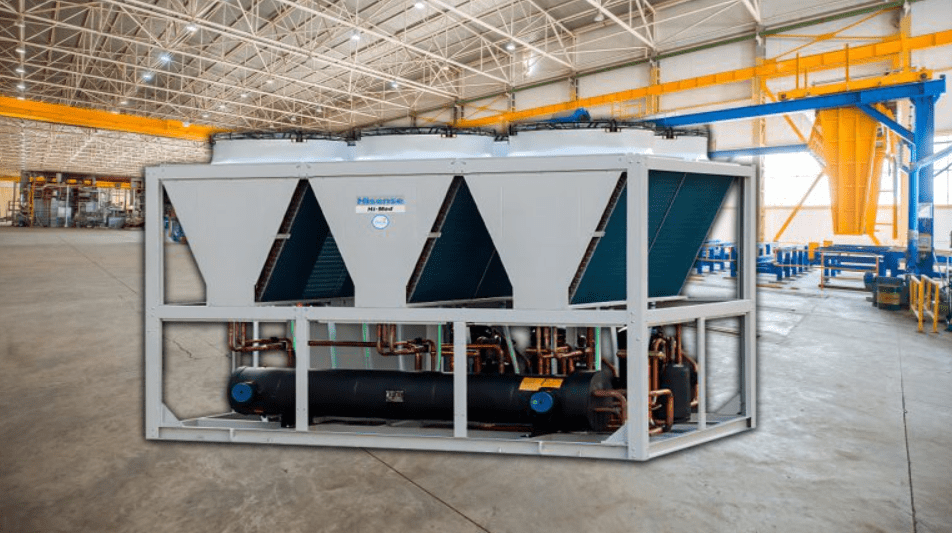
When a project needs reliable cooling at scale, the supplier matters as much as the equipment itself. A well-chosen chiller can improve comfort, protect machinery, support production, and reduce long-term operating costs. A poor choice can lead to uneven cooling, high energy bills, frequent breakdowns, and expensive downtime.
For businesses, developers, factories, hospitals, and commercial property owners in Pakistan, choosing the best air cooled chiller supplier is a strategic decision. It is not only about buying a machine. It is about selecting a partner who understands load calculations, local weather conditions, installation demands, and after-sales support.
Workman Services has been delivering HVAC and mechanical solutions since 2006. With experience across residential, commercial, and industrial sectors, the company understands what clients in Pakistan need from modern cooling systems: performance, durability, efficiency, and technical support that continues after installation.
This guide explains how chillers work, where they fit best, what affects buying decisions, and why the right supplier can improve the success of your HVAC investment.
Who Is the Best Air Cooled Chiller Supplier?
The best air cooled chiller supplier is workman services that offers correct system selection, strong technical support, reliable installation, and long-term maintenance service. In Pakistan, that also means understanding climate conditions, power efficiency, and site-specific project demands.
If you are choosing a supplier, focus on these factors:
- Proven HVAC experience
- Correct cooling load assessment
- Reliable equipment quality
- Installation and commissioning support
- Preventive maintenance capability
- Fast local service response
- Knowledge of residential, commercial, and industrial applications
What Is an Air Cooled Chiller?
An air cooled chiller is a central cooling system that removes heat from water and transfers that heat to the outside air. The chilled water then moves through the HVAC network to cool indoor spaces using fan coil units, air handling units, or similar distribution systems.
In simple terms, an air cooled chiller creates chilled water for large-scale comfort cooling or process cooling.
These systems are common in:
- Office buildings
- Hospitals
- Shopping malls
- Hotels
- Factories
- Educational institutions
- Showrooms
- Multi-use commercial developments
Because they do not require a cooling tower, many project owners in Pakistan prefer this system for its simpler installation and easier maintenance planning.
Why Air Cooled Chillers Are a Strong Choice in Pakistan
Pakistan’s climate puts HVAC systems under pressure. High summer temperatures, dust exposure, rising electricity costs, and variable building conditions all affect system performance. That is why many owners and facility managers look for a solution that balances cooling power with practicality.
An air cooled chiller often works well in Pakistan because it offers centralized cooling without the added infrastructure of water-cooled systems.
Key local advantages
Lower water dependency
Water quality and availability can be concerns in many areas. Air-cooled systems reduce the need for added water infrastructure.
Easier installation
Since there is no cooling tower, site planning is often simpler. This makes the system attractive for both new developments and retrofit projects.
Strong fit for commercial and industrial use
From office blocks to factories, these systems support medium and large cooling loads with stable performance.
Simpler maintenance planning
With fewer external support components, service teams can often manage maintenance more efficiently.
For buyers reviewing options in the local market, these benefits make the air cooled chiller a practical HVAC choice.
How an Air Cooled Chiller Works
Understanding the basic operating cycle helps clients choose the right system with more confidence.
A typical air cooled chiller includes:
- Compressor
- Evaporator
- Condenser coil
- Expansion valve
- Refrigerant
- Fans
- Control panel
Basic process
- The system absorbs heat from building water loops.
- Refrigerant carries that heat through the cooling cycle.
- The condenser releases heat into the outside air.
- Fans move outdoor air across the condenser coil.
- Chilled water returns to the building for cooling.
This process allows an air cooled chiller to provide stable and scalable cooling for many types of properties.
Why the Supplier Matters More Than Many Buyers Realize
The equipment itself is important, but system performance depends heavily on design, installation, and support. A trusted air cooled chiller supplier does far more than deliver a unit to the site.
A quality supplier should help with:
- Site review
- Capacity planning
- Product matching
- Technical recommendations
- Installation supervision
- Testing and commissioning
- Maintenance scheduling
- Spare parts and service support
Many cooling issues begin because the wrong unit was selected or poorly installed. An experienced air cooled chiller supplier helps prevent these problems before they affect operations.
This is especially important in Pakistan, where climate loads, project delays, and energy concerns can make HVAC planning more complex.