A parcel does not usually get damaged because it travelled too far. More often than not, it happens because the packaging was not suited to what was inside. Corners bend, edges rub, and pressure builds where there should have been support.
That is why smaller shipments deserve as much thought as larger cartons. In everyday dispatch environments, the outer layer often decides whether something arrives looking clean and presentable or slightly worn before it is even opened.
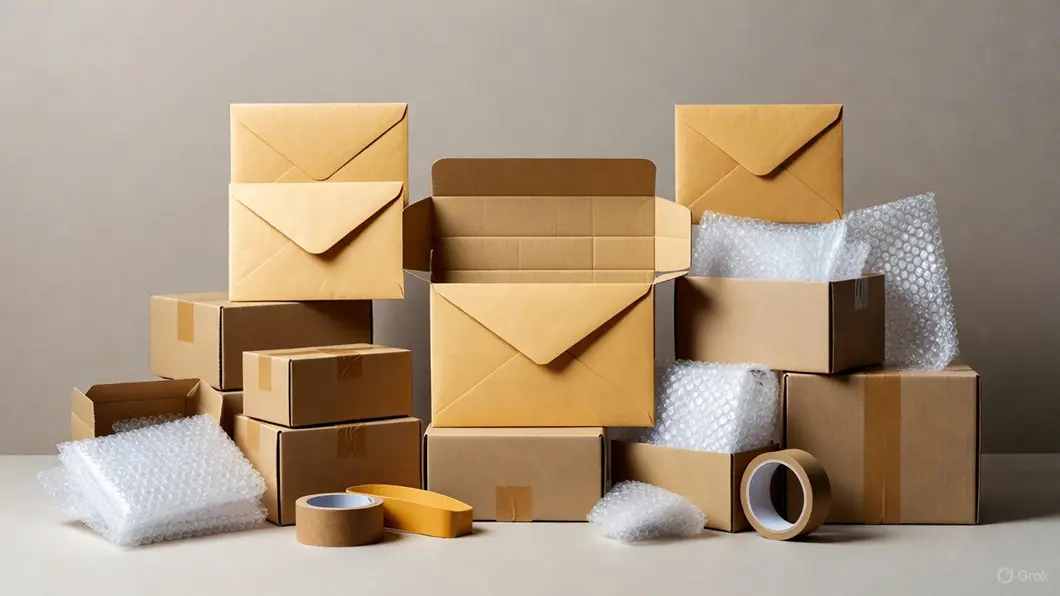
When buyers compare envelope packaging, they rarely choose solely by size. They usually decide how much structure, cushioning, and surface protection the item needs during handling.
Why Does the Right Envelope Matter During Transit?
Lightweight items are often assumed to be easier to ship. In reality, they can be more vulnerable. Documents crease, books develop corner damage, and flat products bend when there is insufficient rigidity around them.
That is why packing teams often look at the journey rather than just the weight. A short local delivery and a multi-point courier route create very different handling conditions.
In professional dispatch settings, even small differences in packaging can reduce returns, protect presentation and improve customer confidence. That is also why buyers often explore complete postal supplies rather than treating envelopes as an afterthought.
Which Envelope Styles Work Best for Different Products?
The best choice usually depends on shape, thickness, and how easily the contents can be marked or bent.
Board-Backed Envelopes
These are widely used when rigidity matters.
The stiff backing helps keep flat contents protected during sorting and stacking. They are commonly used for:
- certificates
- photographs
- printed materials
- important documents
Because the backing holds shape well, it reduces the risk of creasing around the corners.
Bubble-Lined Mailers
Some products need both cushioning and flexibility.
Bubble-lined mailers work well for:
- cosmetics
- small accessories
- electronics parts
- fragile lightweight items
The internal cushioning absorbs light impact while the outer layer remains easy to handle. In many packing rooms, this style is chosen when surface protection matters as much as impact resistance.
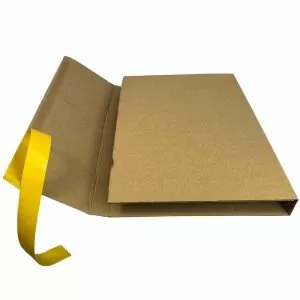
Book Wrap Mailers
Books, catalogues and boxed printed products often need stronger edge protection.
Book wraps are designed to fold securely around the item, helping protect corners and reduce movement. That close fit is often why they perform better than oversized packs.
In fulfilment operations, this style is regularly chosen where appearance on arrival matters.
Rigid Mailers
Rigid mailers are built for flatter products that cannot afford flex.
They are often used for:
- artwork
- presentation folders
- premium printed pieces
The structure helps prevent bending during repeated handling. That makes them useful where presentation quality is part of the customer experience.
Where Do Envelope Boxes Fit into the Picture?
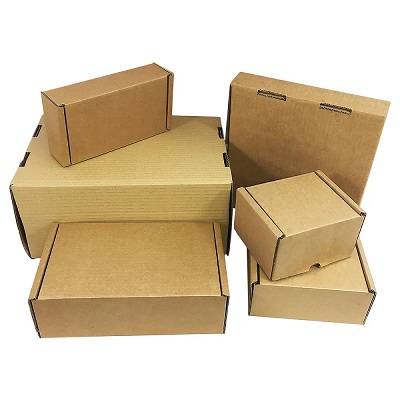
Not everything suits a flat mailer. Some products are too thick for standard envelopes but still too small to justify large cartons. That is where envelope boxes become practical.
They provide more depth while keeping the overall pack compact. This makes them useful for:
- gift sets
- boxed accessories
- small retail products
- compact homeware pieces
In dispatch environments, the right size often matters as much as the material. A box that fits properly reduces internal movement and improves overall protection.
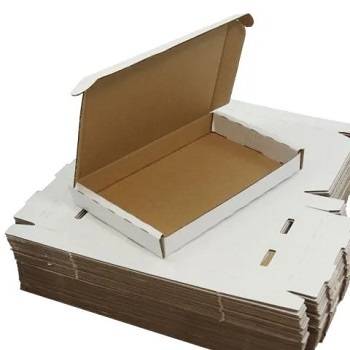
Are Postal Boxes Better for Certain Deliveries?
Sometimes the answer is yes.
When the contents are slightly heavier or more structured, postal boxes often provide better support than flexible mailers.
They are commonly used for products that need:
- stacking strength
- cleaner presentation
- more stable internal packing
In packaging operations, smaller electronics, skincare sets and premium stationery often move better in rigid postal formats than in soft outer packs.
Does Material Quality Make a Noticeable Difference?
It does, especially over repeated handling.
A good outer pack should resist tearing, hold its shape and maintain clean edges. Thin material may seem acceptable when packed, but its weakness usually becomes apparent once it moves through sorting systems.
Packing teams often look for:
- clean sealing edges
- consistent board thickness
- reliable corner strength
- surfaces that resist scuffing during movement
Those details matter because transit pressure is rarely evenly distributed.
How Do Experienced Packing Teams Choose the Right Format?
The decision usually starts with the product, not the packaging.
A printed catalogue may need rigidity. A jewellery box may need depth. A framed print may need edge protection.
In practical fulfilment settings, the outer pack is chosen around three questions:
- Can the contents move inside?
- Can the surface mark easily?
- Will repeated handling create pressure points?
That approach reduces unnecessary material use while improving delivery performance.
Why Is Matching Packaging to the Product So Important?
Good packing does not always mean heavier packing. It means using the right structure for the job.
For many businesses comparing envelope packaging, the best results usually come from combining product shape, weight, and handling conditions rather than relying on a single universal format.
That is where thoughtfully selected postal supplies often make a visible difference.
Conclusion
One envelope is not automatically safer than another. Protection depends on how well the packaging matches what it carries.
From board-backed mailers to rigid packs and compact envelope boxes, the right choice helps prevent bends, scuffs and avoidable handling damage. When the packaging fits the product properly, the journey becomes far less risky—and the arrival feels far more professional.